
Perspective
Freedom belongs to other people too.
What we want to preserve should also be open to people whose lives look different from ours.
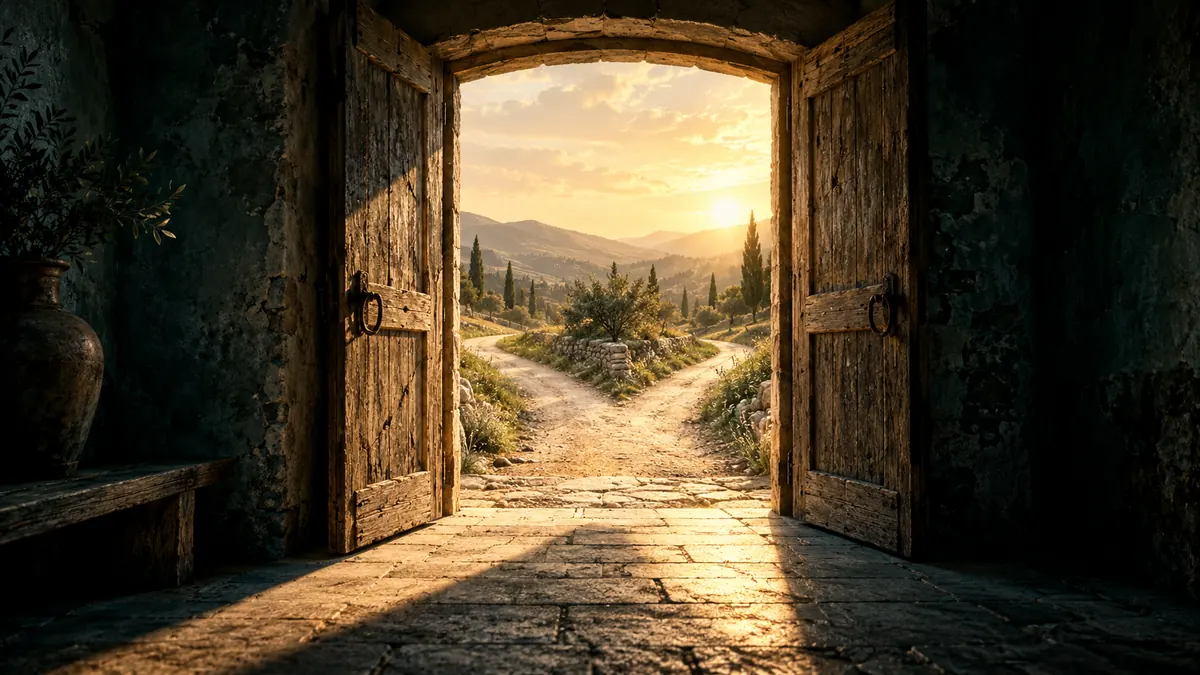
What would you never want to lose in your life? Perhaps the ability to speak your mind. To love the people who matter to you. To choose your own path. Or to disagree with a government without having to fear the consequences.
For me, the question of freedom starts with possibilities like these. It leads to another question: are they also open to people whose experiences I do not share?
Gratitude and criticism can coexist.
Wanting to preserve something does not mean pretending it is perfect. A society can give people opportunities while disappointing or disadvantaging others. Both deserve attention.
“You should be grateful” does not answer a specific grievance. People should not have to earn their rights through gratitude. Equally, a failing does not make everything we can protect together worthless.
I want to ask more precisely: what works? Who actually benefits? What must change so that other people’s freedom matters as much as mine?
A right on paper. An opportunity in life.
Imagine a public meeting to which everyone is invited. The room is only accessible by stairs. Some people can attend; for others, the same invitation has no practical effect. This invented example makes a distinction visible: formal permission does not establish whether someone can use it.
Investigating that problem requires specifics: is there another entrance? What support is available? Who could actually attend? After a change, did access become easier, or did only the wording of the invitation change?
My position: equal freedom should be usable in everyday life. Research can help examine obstacles and the effects of a measure. Which obstacles we are willing to accept, and what responsibility we bear towards one another, remain questions about our values. A study cannot make that decision for us.
A legal reference is the definition of accessibility in Germany’s Disability Equality Act (in German): designed environments should be findable, accessible and usable by people with disabilities, generally without assistance. This is a legal definition, not a research finding. It helps explain why an invitation alone does not establish a usable opportunity.
Responsibility becomes concrete.
A beginning can be small: let someone finish speaking when their experience challenges mine. Name a failing without turning everyone responsible into a single enemy. Speak against unfair treatment even when I am not the person affected.
These actions do not solve every social problem. But they allow us to test a commitment in practice. What I claim only for myself is not yet a shared standard.
My view
I want to preserve freedom and extend its possibilities. That includes fair criticism and attention to people who face greater obstacles. For me, responsibility also reaches beyond us to animals and future generations.
Wanting to preserve something also means making it accessible to others.
This essay develops the question of freedom and responsibility from my Instagram post “We have a hell of a lot to lose” of 3 October 2026. It stands on its own; the post’s specific historical claims are not part of this article.
Written with support from generative AI. Editorial responsibility: Marcus Machon.
Which question will you take with you?
Bring your perspective →